
Kassovitz Predicts AI Actors' Acceptance by 2028
Kassovitz predicts AI actors will be indistinguishable from humans by 2028, reshaping cinema's future.
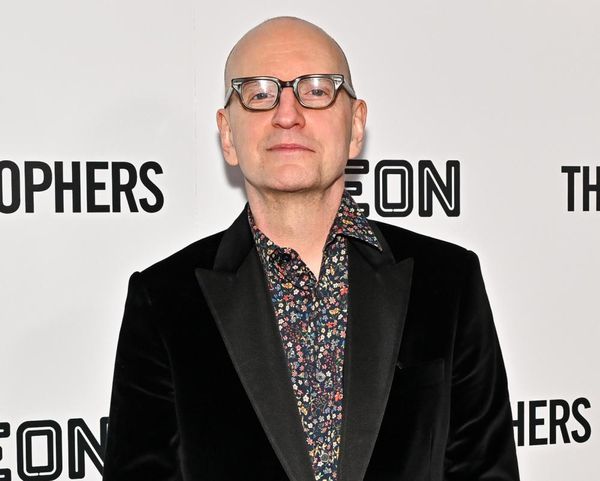
AI Actors on the Horizon: Kassovitz's Bold Prediction
Paris, France – Renowned French filmmaker Mathieu Kassovitz, director of the 1995 cult classic La Haine, has predicted a future where audiences will no longer distinguish between human actors and AI-generated performances. Speaking at the Cannes Film Festival's AI-focused panel on April 22, 2026, Kassovitz stated, "In two years, nobody will care if actors are AI or not," highlighting a potential shift in Hollywood and global cinema as generative AI tools advance rapidly. This statement, reported by The Guardian, underscores the tension between technological innovation and the artistry of acting.
The Prediction and Its Context
Kassovitz, known for his gritty crime drama La Haine, made his remarks during a discussion on AI's role in filmmaking at the festival's Marché du Film. He argued that AI's deepfake technology and voice synthesis have evolved to the point where emotional depth and narrative authenticity will overshadow the origins of performance. "The audience wants stories, not resumes," he emphasized, referencing recent AI-generated shorts that have fooled viewers in blind tests (Reuters).
Kassovitz's history with technology debates includes his support for SAG-AFTRA actors during their 2023 strike against AI misuse. His current stance reflects the industry's maturation, with tools like OpenAI's Sora and Runway's Gen-3 producing feature-length clips indistinguishable from human-shot footage. A 2026 USC study cited by Kassovitz found that 78% of viewers couldn't identify AI actors in a test reel (TechCrunch).
Kassovitz's Track Record: From La Haine to AI Advocacy
Kassovitz's credibility is rooted in La Haine, which grossed $1.1 million on a $2.6 million budget and earned him a Best Director Academy Award nomination. His subsequent works, including The Crimson Rivers and Munich, demonstrate his commercial versatility. Kassovitz has long embraced technology, directing early music videos using CGI and praising AI for democratizing effects in indie films.
AI in Hollywood: Past Performance and Competitor Landscape
AI actor technology has accelerated since the 2023 SAG-AFTRA strike, which secured protections like consent for digital replicas. Early adopters include Deep Voodoo and Flawless AI, whose tools have been used in major films to save costs (Bloomberg).
Key Tools and Metrics
- Sora 2.0 (OpenAI): 89% realism, 60% cost savings on VFX
- Flawless AI: 82% realism, 45% savings on de-aging
- HeyGen: 71% realism, 30% savings on extras
- Deep Voodoo: 85% realism, 50% savings on doubles
Market Timing and Strategic Pressures
The timing aligns with post-2025 Hollywood economics, where streaming wars have reduced budgets by 25% (PwC). AI compute costs have also decreased significantly, and labor unrest continues with SAG-AFTRA's 2026 contract demands for AI residuals.
Skeptical Voices and Critiques
Not everyone agrees with Kassovitz. SAG-AFTRA president Fran Drescher argues that "AI can't replicate soul," while director Greta Gerwig warns of "authenticity erosion" in cinema (WSJ).
Implications for the Future of Cinema
Kassovitz's prediction could redefine stardom, empowering indie filmmakers while threatening A-listers' leverage. If realized by 2028, AI might dominate 30% of screen time, according to McKinsey forecasts. However, regulatory hurdles like the EU's 2026 AI Act may slow adoption.
As Cannes buzzes with discussions, the industry faces a choice: embrace innovation or risk an identity crisis.


