
Tesla Increases 2026 Capex Forecast to $25 Billion for AI
Tesla raises 2026 capex to $25 billion, focusing on AI initiatives like self-driving taxis and robots amid EV sales challenges.
Tesla Increases 2026 Capex Forecast to $25 Billion for AI
Tesla Inc. has announced a significant increase in its capital expenditure forecast for 2026, raising it to over $25 billion from the previously projected $20 billion. This decision was unveiled during Tesla's first-quarter earnings call on April 22, 2026, as CEO Elon Musk emphasized the company's commitment to AI-driven initiatives such as self-driving taxis, humanoid robots, and large-scale chip production (Euronews).
Q1 Financial Performance
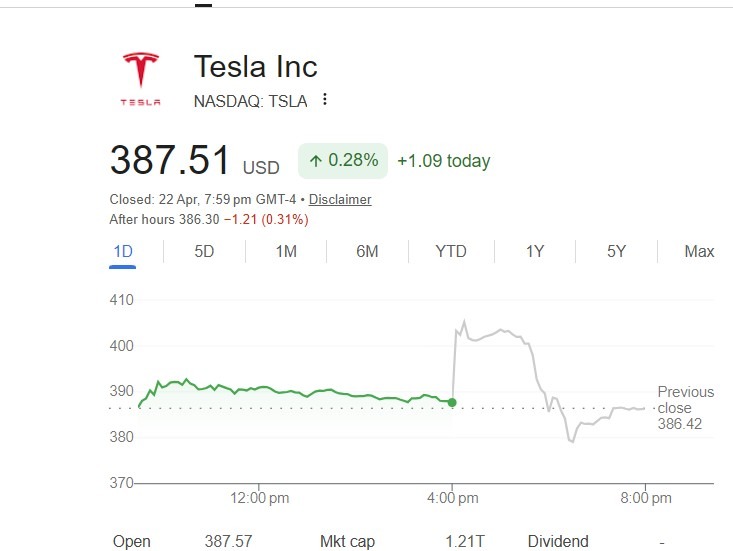
Tesla reported a net income of $477 million for Q1 2026, marking a 17% increase year-over-year. Adjusted earnings per share reached 41 cents, surpassing Wall Street's estimate of 36 cents. Despite this, Tesla's shares closed slightly lower after initial volatility (Euronews).
- Free Cash Flow: $1.44 billion, supported by a $2.5 billion capex in Q1.
- Capex Increase: 67% rise from the previous year.
Strategic AI Focus
Musk's strategy involves shifting focus from traditional EV sales to autonomy and AI. Key developments include:
- Robotaxi Miles: Doubled from Q4 2025.
- Cybercabs: Production of pedal-less taxis has commenced.
- Optimus Robots: A Texas factory aims to produce 10 million units annually (Automotive World).
Competitive Landscape
Tesla's AI ambitions contrast with competitors:
- Waymo (Alphabet): Operates over 100,000 paid robotaxi rides weekly.
- Cruise (GM): Relaunching in 2026 with supervised autonomy.
- Nvidia: Powers rivals' AI, while Tesla develops its in-house Dojo supercomputer.
| Metric | Tesla (2026 Guide) | Waymo (Alphabet) | GM/Cruise |
|---|---|---|---|
| Capex Focus | $25B (AI/robotics) | $5-7B (autonomy) | $2-3B (robotaxi) |
| Autonomous Miles | Undisclosed (doubled QoQ) | 50M+ paid | 10M+ supervised |
| Robotaxi Status | Cybercab production started | Commercial ops | Relaunching 2026 |
| Humanoid Robots | Optimus (10M/yr target) | None | None |
Market and Geopolitical Context
The timing of Tesla's increased spending aligns with several factors:
- EV Market Saturation: Global sales growth slowed to 20% in 2025.
- Geopolitical Tensions: Supply chain disruptions and increased chip costs.
- Regulatory Tailwinds: U.S. and China approvals for unsupervised FSD trials (FXStreet).
Market Reaction and Future Outlook
Despite beating earnings expectations, Tesla's shares experienced volatility, closing down 0.5%. Analysts express skepticism about the ambitious capex plan, citing Tesla's history of overpromising (FXStreet). Success could significantly increase Tesla's valuation, but execution remains critical.
Tesla's strategic pivot towards AI and robotics represents a bold move amid challenges in the EV market. The company's ability to execute on these initiatives will be closely watched by investors and industry observers alike.


